Online Induction >> Guide, tips and checklist for verifying contractor credentials
Published 19/12/2025
Contractor Credential Checking And Verification

Experience tells a story—but verification confirms the truth. In various industries from construction to mining, familiarity can feel reassuring, yet even the most established contractors should be assessed with fresh eyes and a consistent, structured process. Longevity and past performance may indicate capability, but they do not guarantee ongoing compliance, current qualifications, or up-to-date safety practices.
When organisations rely too heavily on history or reputation, important details can be overlooked. Licences may expire, insurance can lapse, key personnel may change, and regulatory obligations continue to evolve. These blind spots, often unnoticed until something goes wrong, can expose organisations to safety incidents, compliance breaches, and reputational damage.
A consistent verification approach removes assumptions from the equation. It ensures every contractor—new or long-standing—is held to the same standards, creating clarity, fairness, and confidence in decision-making. By prioritising verification alongside experience, organisations can reduce risk, strengthen accountability, and support safer, more compliant project outcomes from the very beginning.
What does it involve?
Effective contractor verification requires careful review of key identifying information, including the contractor’s legal business name, licence number, registration or HIS number, business address, and the details of nominated personnel. Verifying this information helps confirm the contractor’s legitimacy and ensures alignment with regulatory requirements.
Valid licences and up-to-date insurance coverage are critical indicators of a contractor’s credibility and capability. Together, they demonstrate that the contractor is authorised to operate, adequately insured, and knowledgeable about industry standards and compliance obligations. Taking the time to conduct these checks provides greater confidence, reduces risk, and supports safer, more compliant project delivery.
This might be a process that is part of your
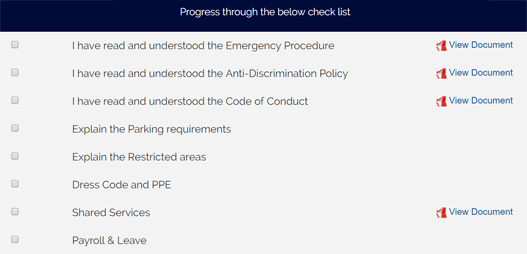
contractor induction or
contractor management system and even post day one engagement activities such as a
permit to work review.
Importance of Having Contractor Credential Checking and Verification

Properly vetting and verifying contractors is essential when engaging external parties to carry out work. Contractors bring a wide range of skills, experience, and credentials, which can make selecting the right fit a complex task. Implementing thorough contractor credential checks and verification processes helps ensure contractors engaged are suitably qualified and capable of delivering work safely and compliantly.
Establishing a standardised procedure to assess contractor suitability provides significant value. It enables organisations to efficiently identify qualified candidates, reduces time spent assessing unsuitable applicants, and minimises the risks associated with engaging inexperienced or under-qualified contractors. A robust screening process should consider multiple factors, including background checks, professional references, previous project experience, and formal qualifications, to support a well-rounded assessment.
Verifying that contractor qualifications, licences, and certifications are valid and current is equally critical. This helps avoid compliance issues, operational disruptions, and potential legal exposure that may arise from engaging contractors who are not properly authorised to perform their duties. While comprehensive verification processes may initially seem time-consuming, they play a vital role in preventing costly errors and safeguarding project outcomes. By ensuring contractors meet all required standards, organisations can confidently engage competent personnel who are appropriately qualified for their roles.
The main purposes of this process are to:
1. Ensure Consistent Quality of Service
A government license is a baseline, but true competence is dynamic. A company’s expertise can fluctuate if skilled employees depart and are replaced by an inexperienced workforce. By cross-checking a contractor’s staff retention and hiring records, you gain a more accurate picture of their current capability to deliver high-quality results.
2. Operate Within Legal Requirements
Licensing is often specific to certain regions or types of work. Proper credential verification ensures that the contractor is legally authorized to operate within your specific project’s scope and jurisdiction. This due diligence protects you from legal liabilities and ensures compliance with local building codes.
3. Prioritize Health and Safety Standards
Strict adherence to Work Health and Safety (WHS) standards is non-negotiable. Beyond simply checking for a policy manual, you should evaluate the contractor’s historical compliance record and safety performance. Selecting a contractor with a proven safety culture minimizes workplace risks and protects everyone involved in the project.
4. Prevent Fraud and Misrepresentation
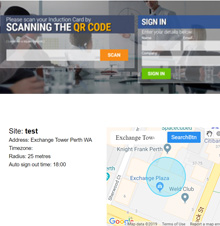
In a competitive market, some contractors may use forged documentation or expired credentials to secure lucrative contracts. Verification—such as validating licenses with the construction department or scanning QR codes on digital credentials—acts as a vital safeguard. This process ensures you are partnering with a legitimate, trustworthy professional rather than a fraudster.
Discover our Credential Checking And Verification Platform

What should you check when checking and verifying a contractor?

When it comes to hiring a contractor, you want to make sure that your investment is well spent. You don't want to hire someone with a track record of poor-quality work or who charges more than their services are worth. That's why it's important to check and verify your contractors before hiring them. But what should you check for? Here is a refined, comprehensive list of 12 essential checks to perform when verifying a contractor. This list balances legal compliance, financial stability, and operational reliability.
✔Current License Status & Expiry: Never rely on "long-term relationships." Verify that licenses are active and not expired. Use an automated system or set a calendar reminder to re-verify annually, as a contractor can lose their license mid-project due to administrative or legal failures.
✔Scope of Authorization: Ensure the contractor’s license specifically covers the type of work you need. A "General Builder" may not be legally authorized to perform specialized electrical or high-pressure plumbing work.
✔Entity & Ownership Verification: Confirm the business is registered under the name provided. Cross-check the owners' names to ensure they haven't been involved in "phoenixing"—closing a debt-ridden company only to reopen under a new name.
✔Relevant Work Experience: Look beyond general certifications. Prioritize a contractor who has successfully completed projects of similar scale, complexity, and budget within the last 24 months.
✔Financial Stability & Liquidity: A contractor should have the capital to fund at least 50% of the project’s initial phase. Request a bank reference or a financial statement to ensure they won't stall your project due to their own cash flow issues.
✔Public Liability & Workers’ Comp Insurance: Verify that their insurance policies are current and the coverage amounts are sufficient for your project’s value. Request a Certificate of Currency directly from their insurer.
✔WHS/Safety Compliance Record: Review their Work Health and Safety (WHS) policies and past safety performance. A high rate of workplace accidents is a red flag for poor management and potential legal liability for you.
✔Staff Retention & Competency: A company is only as good as its current team. Ask if the work will be done by in-house employees or subcontractors, and verify the experience level of the specific foreman assigned to your site.
✔Supplier Credit Standing: Check if the contractor is in good standing with their material suppliers. If they fail to pay for materials used on your property, the supplier may be able to place a legal lien against your title.
✔Litigation & Dispute History: Search public records for any past or pending lawsuits. Frequent "legal differences" with past clients or the state suggest a pattern of non-compliance or poor conflict resolution.
✔Subcontractor Management: If the contractor uses "subs," verify their vetting process. You need to know that every person stepping onto your property has been screened and insured by the primary contractor.
✔Authentic Client References: Request at least three references from projects completed in the last year. Ask these clients specifically about the contractor’s adherence to timelines and their transparency regarding "hidden costs" or variations.
Example Verification Process
Here is a more professional and structured version of your verification procedure. I have refined the language to sound more like a standard operating procedure (SOP) while maintaining the logical flow of your requirements.
Standard Procedure for Contractor Verification
To ensure project integrity and compliance, all clients must adhere to the following verification protocol:
1. Submission of Ownership and Licensing:
At the project award stage, the contractor is required to submit a comprehensive list of business owners along with all relevant, up-to-date trade and operating licenses.
2. Workforce Competency Audit:
Contractors must provide a detailed personnel register. This must include a list of all employees assigned to the project, accompanied by their specific professional qualifications and years of relevant experience.
3. WHS and Regulatory Documentation:
All Work Health and Safety (WHS) policies and statutory compliance documents must be submitted for review to ensure they meet current industry standards.
4. Official Certification:
The contractor must provide a formal Letter of Verification issued by the State Department of Construction to confirm their standing and authorization to perform the work.
5. Evidence Cross-Referencing:
The internal review team will conduct a thorough audit, cross-checking all submitted credentials and letters directly with the State Department of Construction databases to detect any discrepancies or forgeries.
6. Approval and Exclusion Criteria:
Only contractors who successfully pass all verification checks will be approved for commencement. Any contractor found with expired, invalid, or incomplete documentation will be strictly excluded from the project.
Selecting the right contractor and operating within the law is a priority for every client. Equally, reputable contractors value recognition for their qualifications and experience. In an increasingly complex regulatory environment, relying on manual checks alone is no longer sufficient. Leveraging emerging technology helps identify genuine, compliant contractors while reducing the risk of fraudulent documentation and unqualified operators.
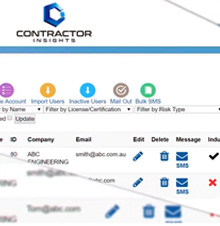
Contractor Credential Verification Tool
Try setting up your contractor credential checks using out platform:


 Online Demo
 We'll also send you a login and details for our iPhone app!